
Montessori Education
- What is Montessori
- Education for Peace
- Authentic Montessori Education
- A Research-informed Approach to Education
- Integrated Learning
- Keystones of Montessori Pedagogy
- The Value of Multi-Age Classrooms
- The Prepared Environment
- The Montessori Guide
- Montessori Materials
- Uninterrupted Work Periods
- Freedom with Responsibility
- Clarifying Montessori – FAQ

What is Montessori
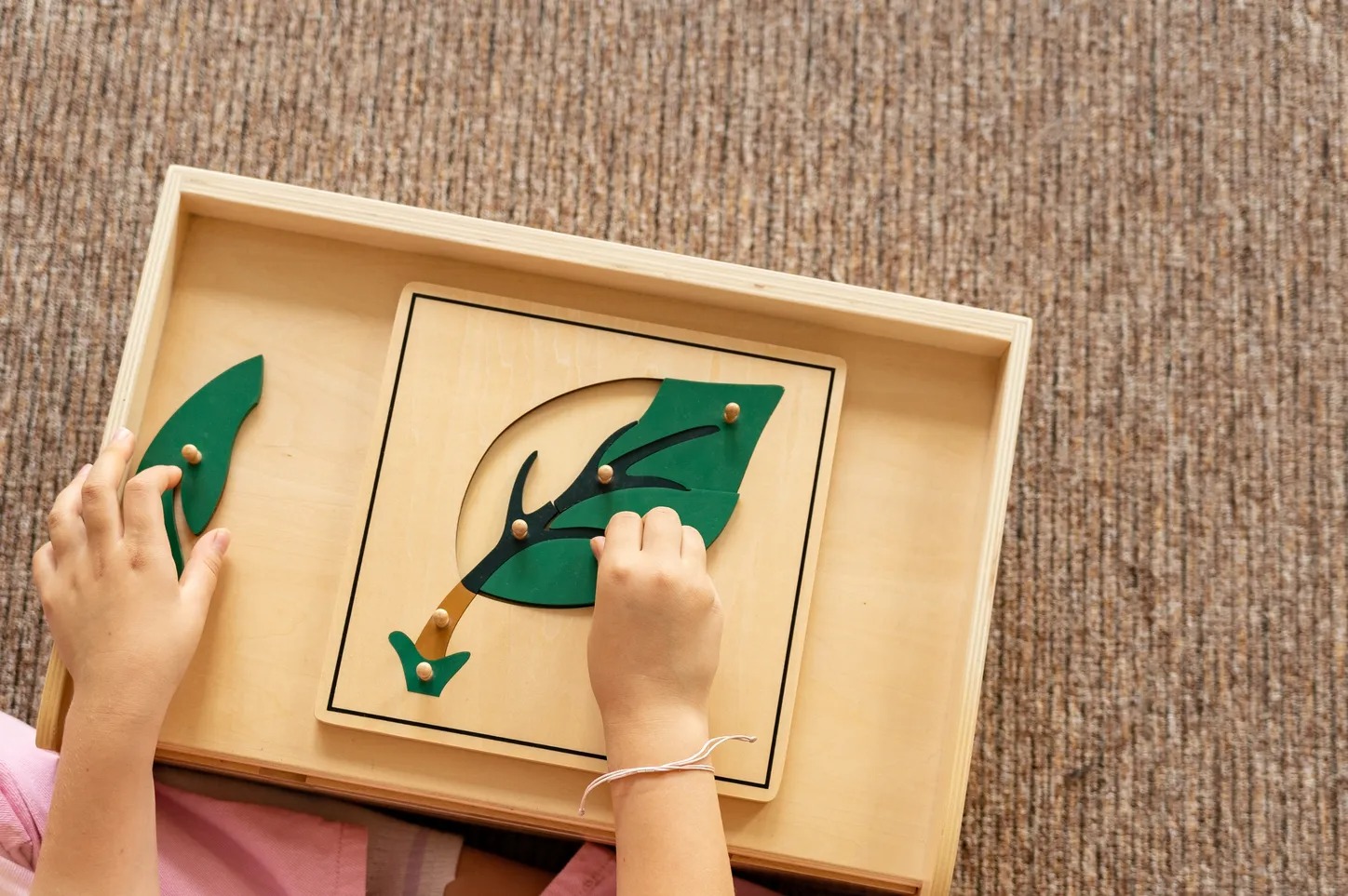
Montessori is both an approach to education and a way of honoring childhood. It begins with a deep respect for each child and a trust that growth happens in its own time and way. At SOL, our classrooms, daily rhythms, and relationships are intentionally created with care and love to support children as they come to know themselves, explore their interests, and feel connected to the world around them.
Choice and curiosity are at the heart of learning. When children are free to follow what genuinely interests them, they build confidence, independence, and a sense of responsibility. Through hands-on experiences in carefully prepared environments, children develop focus, self-awareness, and a deep enjoyment of learning.
Montessori learning is active, meaningful, and deeply engaging. Children learn by doing, through experiences that are self-directed, purposeful, and often joyful. Care is given to the whole child, nurturing social, emotional, intellectual, physical, and inner growth as beautifully connected parts of a balanced life.
The Montessori Method is often described as education in service of life itself. Guided by careful observation and trust in the child, it reflects the belief that every child carries within them the potential to grow, contribute, and become who they are meant to be.
Education for Peace
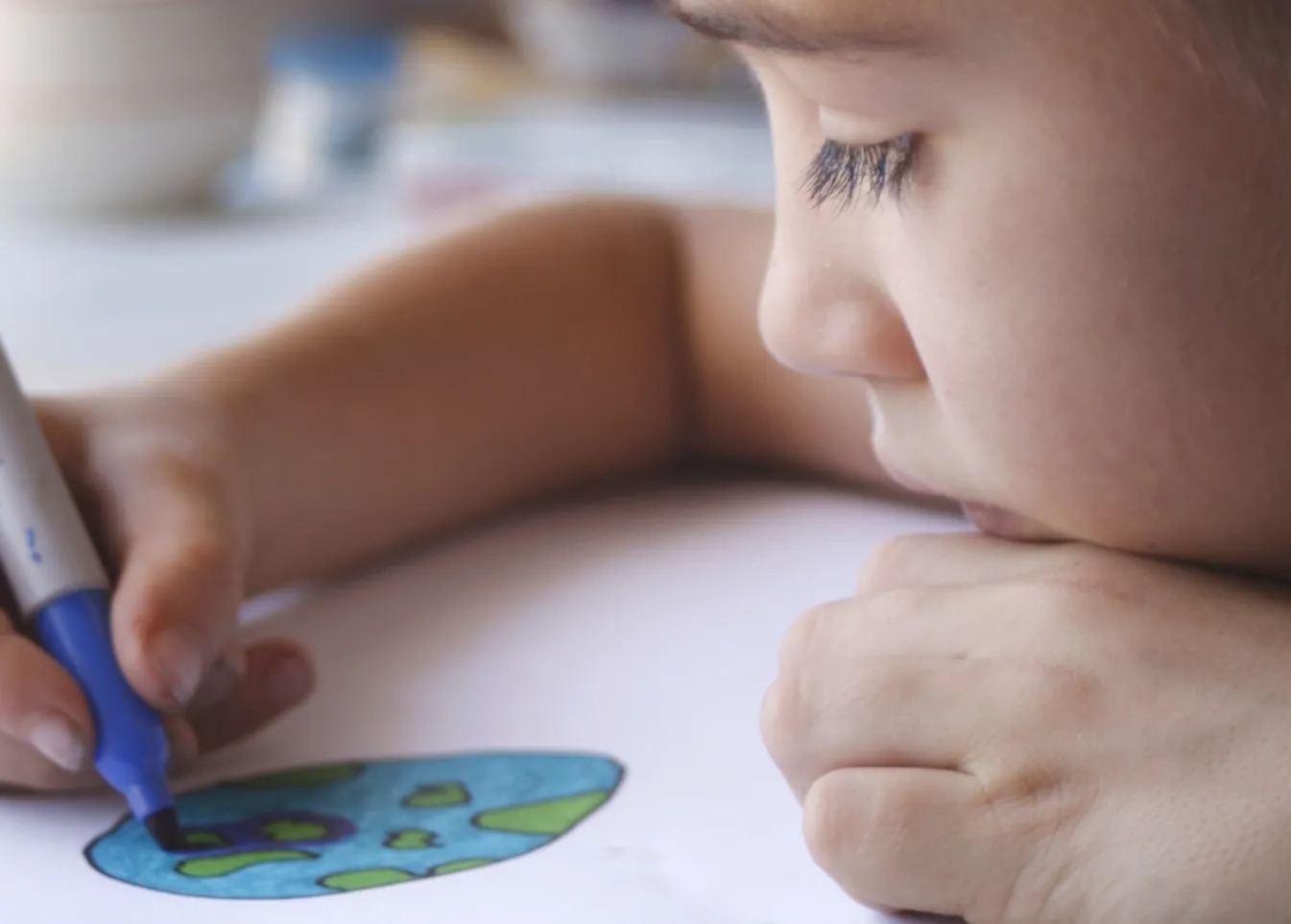
From the very beginning, Dr. Maria Montessori believed that education could help create a more peaceful and caring world. She understood that when children are treated with respect and trust, those values naturally extend into families, communities, and beyond. At the heart of her philosophy was a belief in the equal worth of every person and the idea that education can open doors, nurture understanding, and bring people together.
Montessori education is rooted in the pursuit of peace. This begins with helping even our youngest children learn kindness, empathy, and respect in their daily interactions. Equal importance is placed on caring for the natural world and all living things, as well as developing an appreciation for the rich diversity of cultures within our global family. Underlying this work is an awareness of the Divine presence reflected in all people and creation. Together, these values support children in developing respect for themselves and others, and in nurturing a deep sense of connection, fairness, and responsibility toward the world around them.

Maria Montessori
Education for Peace
A Research-informed Approach to Education
Montessori education brings together science, intentional practice, and a deep respect for the child. Dr. Maria Montessori’s work was rooted in careful observation and scientific study, and today her insights are continually affirmed by modern research in neuroscience and human development.
Current brain research shows that children learn best through hands-on experiences, movement, meaningful choice, and sustained periods of concentration, all foundational elements of the Montessori approach. Neurological studies confirm that deep and lasting learning occurs when children are actively engaged, emotionally supported, and free to build understanding over time.
Research also highlights the importance of early experiences in shaping not only cognitive growth, but social, emotional, and inner development. Montessori environments are intentionally designed to honor each stage of development, nurture independence and self-regulation, and support a child’s natural sense of purpose and connection.
As our understanding of how children learn continues to evolve, Montessori education remains beautifully aligned with both science and the deeper needs of the human spirit, offering families an approach that supports academic excellence, emotional well-being, and the development of thoughtful, compassionate individuals.
Understanding some of the
Keystones of Montessori Pedagogy
The Absorbent Mind
In the earliest years of life, the brain is developing at its most rapid and responsive stage. Neuroscience shows that young children learn primarily through unconscious absorption, taking in language, movement, relationships, and patterns directly from their environment. Dr. Maria Montessori identified this remarkable capacity as the absorbent mind.
During this period, experiences shape neural pathways and lay the foundation for future learning, behavior, and emotional regulation. Because learning occurs so deeply and naturally, the quality of a child’s surroundings matters profoundly. Montessori environments are intentionally prepared to support this stage, offering order, beauty, and meaningful activity that nourish both the developing brain and the child’s inner life.
By honoring the absorbent mind, Montessori education supports healthy brain development while nurturing a child’s emerging sense of purpose, connection, and joy in learning, foundations that continue to guide growth beyond the early years.
Human Tendencies
From the moment they are born, children are naturally driven to explore, learn, and make sense of the world around them. These shared drives, known in Montessori education as human tendencies, guide how all people grow, learn, and develop. They include a child’s desire to explore, create order, repeat activities, move their bodies, communicate, work with their hands, and gradually move toward deeper understanding and mastery.
Montessori classrooms are intentionally designed to support these natural inclinations. Children are given opportunities to explore freely, engage in meaningful work, practice skills through repetition, and experience the satisfaction of learning through hands-on discovery. By honoring these universal tendencies, the Montessori approach supports children in developing confidence, independence, and a joyful connection to learning.
Sensitive Periods
As children grow, there are special phases in early development when they are especially ready to learn certain skills. Montessori education refers to these windows of heightened readiness as sensitive periods. During these times, children are naturally drawn to particular activities and can absorb new skills with ease, joy, and very little effort.
Sensitive periods include the development of order, language, movement, social relationships, and the refinement of the senses. These stages typically occur during the early childhood years and are a vital part of how young children learn. When a child is supported during a sensitive period, learning feels natural and satisfying rather than forced.
Montessori environments are thoughtfully prepared to recognize and respond to these moments of readiness. By offering the right materials and experiences at the right time, teachers help children build strong foundations that continue to support their learning and growth as they mature.
The Value of Multi-Age Classrooms
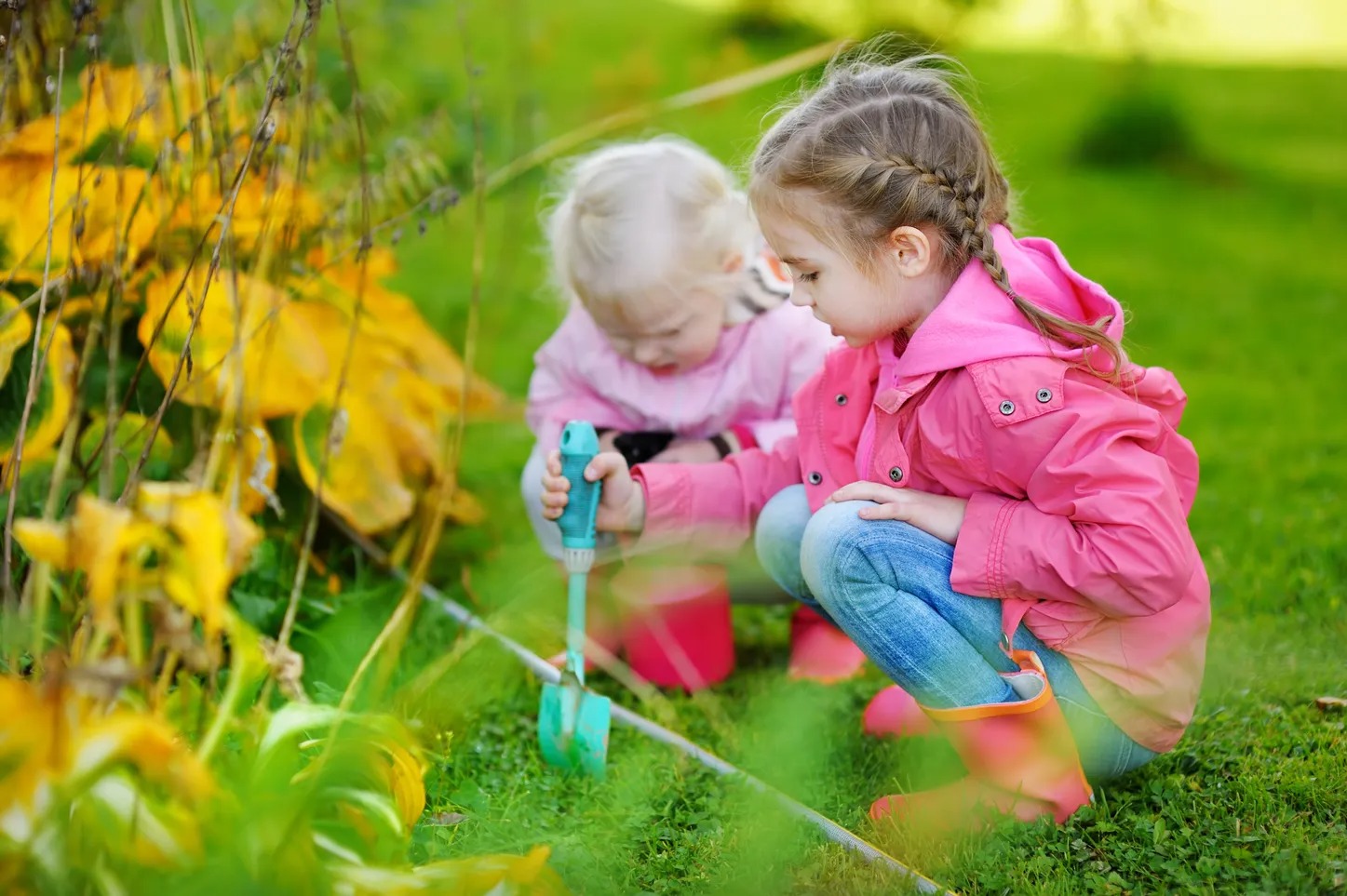
Montessori classrooms intentionally bring together children of different ages to create a dynamic and supportive learning environment. This structure allows children to progress according to their individual development, engage with a wide range of learning experiences, and grow through meaningful interactions with their peers. Learning in a multi-age community encourages both independence and collaboration, nurturing a sense of belonging, purpose and connection that supports the whole child.
Younger children benefit from observing older classmates at work, gaining early exposure to concepts they will explore more deeply in time. Older children, in turn, strengthen their understanding by modeling skills, offering guidance, and mentoring younger peers, an experience that builds confidence, leadership, and empathy.
In our Toddler Community, children range in age from 15 to 36 months, allowing the youngest learners to grow within a nurturing and supportive group. Our Children’s House Community is designed for children to remain with the same classroom and teachers for a three-year cycle, beginning at age three and continuing through age six. This continuity supports deep relationships, steady growth, and a strong foundation for lifelong learning.
The Montessori Guide
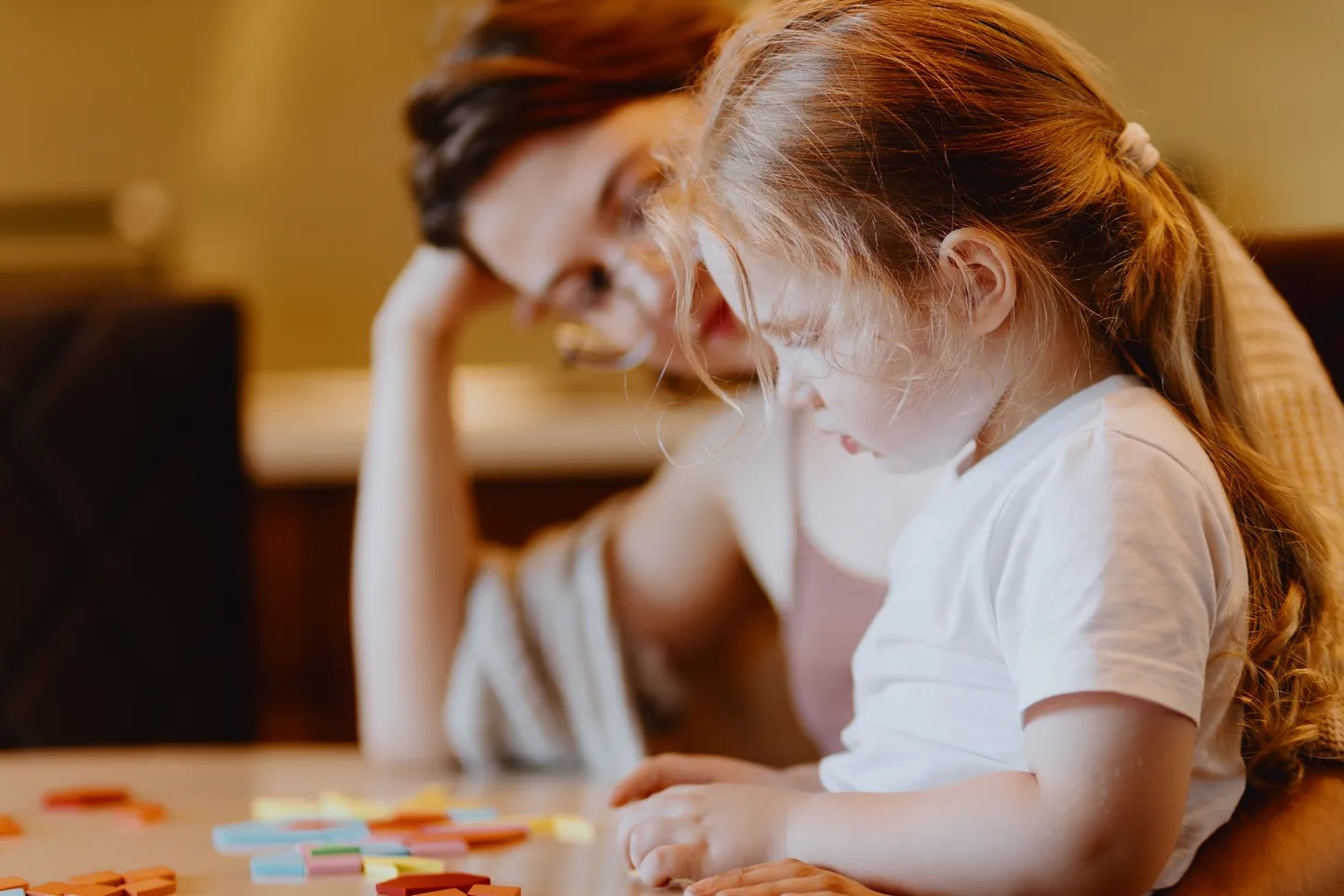
In Montessori education, the teacher, known as a guide, serves as a thoughtful steward of each child’s learning journey, walking alongside the child rather than directing from the front. Deeply trained in Montessori philosophy and child development, the guide works with quiet intention, observing closely, listening carefully, and responding thoughtfully to each child’s evolving needs and growth.
Rather than relying on a one-size-fits-all approach, the guide offers engaging individual and small-group lessons, introducing new ideas when children are ready and supporting them as their understanding deepens. Through careful observation and gentle guidance, the guide creates conditions that invite discovery, allowing learning to feel both appropriately challenging and deeply supportive. In this way, children build confidence and trust in their own abilities.
The guide also plays an essential role in nurturing character. Through presence, example, and gentle mentorship, children learn kindness, patience, respect, and cooperation. The classroom becomes not only a place of intellectual growth, but a living community where children practice consideration for others and develop an awareness of their ability to contribute meaningfully.
Rooted in a belief in the inherent nobility and potential of every child, the Montessori guide supports the development of inner qualities that sustain a life of learning, purpose, and service to the world. At the same time, this thoughtful and individualized approach often leads to strong academic growth. In authentic Montessori environments, it is not uncommon to see four-year-olds reading independently or six-year-olds confidently working with advanced mathematical concepts, including long division.
Montessori Materials
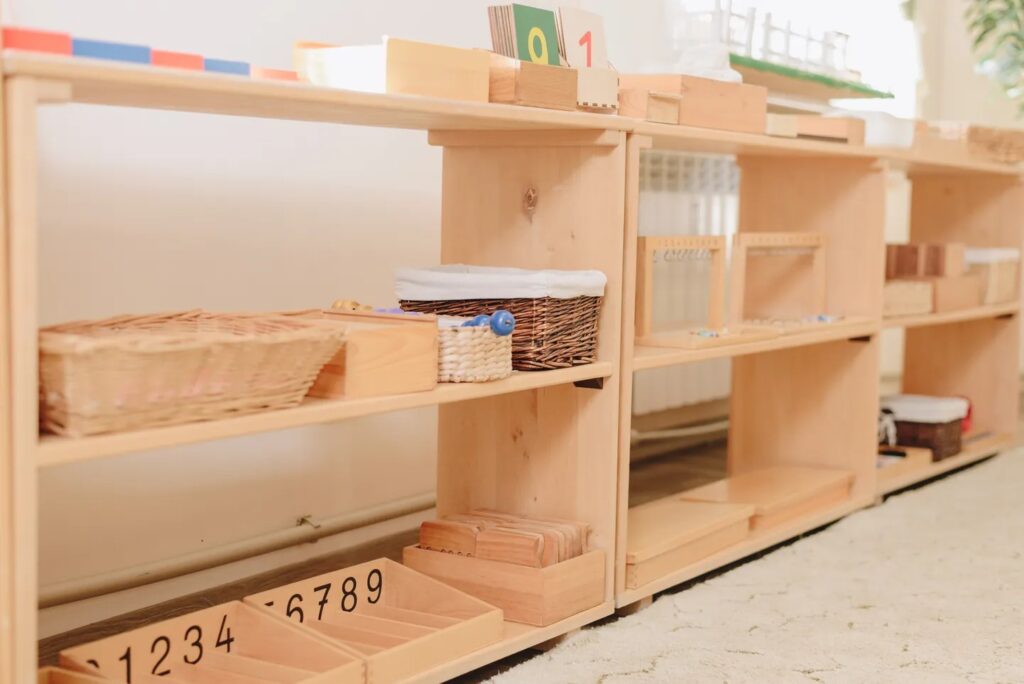
Montessori materials are thoughtfully designed to support deep, meaningful learning along a joyful and purposeful path. Rather than memorizing information, children are invited to explore concepts through hands-on, sensory experiences that allow understanding to develop naturally and with confidence. Each material has a clear intention, guiding children from concrete experiences toward more abstract thinking as they grow.
These early interactions lay a strong foundation for future learning. For example, a young child in the Primary years may work with colorful pieces to build a cube. In the Elementary years, that same experience helps the child understand how the faces of a cube relate to the mathematical concept of squaring. Later, this understanding supports the ability to grasp more advanced ideas, such as the algebraic binomial formula.
By building knowledge step by step, Montessori materials foster independence, critical thinking, creativity, and healthy self-esteem. Children come to see learning as something meaningful and interconnected, nurturing clarity, confidence, and a deep sense of purpose on their educational journey.
Freedom with Responsibility
In Montessori education, children are given meaningful freedom within a thoughtfully prepared and respectful environment. Children are trusted as capable learners and explorers, able to make choices that support their growth and independence.
This freedom is always balanced with clear, consistent boundaries that help children succeed. Children may choose their work, move freely within the classroom, decide where to work, how long to stay with an activity, and whether to work independently or with others. At the same time, they are guided to engage in purposeful work and treat their environment and one another with care and respect.
Through this balance of freedom and structure, children learn to make thoughtful choices, develop responsibility, and grow in self-discipline. In honoring both independence and accountability, Montessori education nurtures confident children who act with intention, respect, and a growing sense of inner guidance.