
- The Toddler Community at SOL
- Principles of the SOL Toddler Community
- Toddler Community Program Options
- The Toddler Curriculum at a Glance
- Language Development in English & Spanish
- Practical Life
- Toileting & Independence
- Fine Motor Movement
- Outdoor Exploration
- Problem Solving, Early Mathematics, & a Love of Learning
- Practical Life
- Social & Emotional Development
- Growing Independence
- Cultivating Curiosity
- A Calm Space for Focus & Growth
- Developmentally Informed Transitions
- A Day in the Life of a Toddler at SOL

The Toddler
Community at SOL
A Formative Window for Lifelong Growth
The toddler years mark a unique and formative chapter of childhood. During this time, children begin to understand themselves and the world around them, developing language, movement, independence, and the early foundations of character. Behind these visible milestones, the brain is growing at an extraordinary pace, forming and strengthening connections through everyday experiences. Montessori research, supported by modern neuroscience, affirms what educators and parents observe every day: These early years offer a powerful window for growth and connection, as rich, varied, and meaningful experiences shape the pathways that support lifelong development.
A Thoughtfully Designed Environment
The Toddler Community at SOL is thoughtfully designed to meet children at this important stage, offering a caring, well-prepared environment that supports early independence within a steady framework of guidance and consistency. Through loving relationships, meaningful experiences, and attentive support, children grow in confidence, awareness, and connection to others.
Holistic Guidance and Character Building
Guided by trained Montessori educators, toddlers spend their days in environments where language, movement, and learning are thoughtfully woven together. These experiences support the whole child, nurturing not only readiness for future learning, but also qualities that matter deeply, including empathy, responsibility, confidence, and a spirit of service.
Core Pillars of the Toddler Experience
Embracing toddler curiosity, movement, and helpfulness, the program offers engaging exploration and secure, predictable rhythms. Children are supported as they:
· Build character: Practicing kindness, patience, and responsibility for self and others.
· Gain independence: Making choices and learning to trust their own abilities.
· Develop perseverance: Trying, repeating, and working through challenges.
· Strengthen social-emotional skills: Managing feelings, cooperating, and finding belonging.
· Experience a bilingual environment: Naturally using English and Spanish daily.
· Cultivate concentration: Supported by a calm, intentionally prepared setting.
The Vital Role of Nature and the Outdoors
Learning extends beyond the classroom as well. In keeping with Dr. Montessori’s belief in the importance of time in nature, toddlers spend part of each day outdoors in thoughtfully designed spaces that invite movement, sensory exploration, and wonder. Gardens, outdoor work areas, and playgrounds offer opportunities for unstructured play and meaningful connection with the natural world.
Connection Through Lived Community
At SOL Montessori, community is lived each day through shared experiences and relationships. Every interaction offers an opportunity for connection and learning, an approach that is especially powerful in the Toddler Community during this critical period of development.
Peace of Mind and Intentional Care
Above all, SOL offers families peace of mind, knowing their child is cared for with love and intention as they grow in confidence, character, communication, and joy.
Consistency Through Guiding Principles
The experience of the Toddler Community is shaped by a set of guiding principles that inform every aspect of daily life, from how the environment is prepared to how adults support children’s growing independence and relationships. These principles ensure that what children experience each day is consistent, intentional, and deeply responsive to their developmental needs.
Principles of the SOL Toddler Community
Laying the Foundation for a Beautiful Character
Through daily experiences infused with love, consistency, and care, children begin to practice empathy, patience, responsibility, and consideration for others. These early patterns gently shape character and guide thoughtful, ethical ways of being in the world.
Supporting Well-being & Growing Confidence
A calm, predictable environment and warm relationships help children feel at ease and capable. As they experience success through meaningful work and daily rhythms, emotional security and confidence naturally take root.
Cultivating a Spirit of Service & Contribution
Toddlers are eager to participate and help. Through caring for shared spaces, preparing food, and supporting one another, children come to understand that their actions have value and that they belong to something larger than themselves.
Honoring Each Child’s Unique Path
Growth unfolds at its own pace. Our environments and guidance honor each child’s individuality while supporting independence and connection within the group.
Encouraging Participation in Daily Life
Children are invited into the real work of the day, caring for their bodies, their environment, and their community. These experiences build capability, responsibility, and trust in their growing abilities.
Supporting Movement, Exploration, & Discovery
Thoughtfully prepared spaces allow children to move freely, choose activities, and explore with curiosity, supporting physical development, concentration, and a sense of wonder.
Nurturing Social Connection & Communication
Within a small, caring, bilingual community, children learn to communicate with kindness and clarity. Daily experiences in both English and Spanish support language growth while fostering openness, cultural awareness, and connection with others.
Together, these principles shape a Toddler Community rooted in intention, warmth, and joy, supporting well-being, nurturing character, and honoring the whole child during these tender and important early years.
Toddler Community Program Options
Language Development in English & Spanish
Nurturing Language in a Sensitive Period
The toddler years are a time of remarkable language growth. In the Toddler Community at SOL, spoken language is nurtured through rich, meaningful interactions that support both understanding and self-expression. Children are immersed in a language-rich environment where words are intentional, respectful, and closely connected to their everyday experiences during this especially sensitive period of development.
Intentional Modeling and the Bilingual Approach
Throughout the day, language is modeled with clarity and consistency. Lead guides speak to children in English, while trained assistants communicate in Spanish, following a “one face, one language” approach that supports clear and meaningful language acquisition. Songs, poems, books, storytelling, music, and daily conversation are woven naturally into the rhythm of the day, creating frequent opportunities for children to listen, absorb, and begin to communicate with increasing clarity. As toddlers grow, they expand their vocabulary and refine pronunciation through repeated exposure, gentle guidance, and purposeful use of language.
Connecting Words to Real-World Experiences
To deepen understanding, language learning is closely connected to the senses. Children explore real objects as words are introduced, allowing vocabulary to be grounded in lived experience. For example, a basket of vegetables may invite children to hold, observe, smell, and compare, connecting language to texture, weight, color, and scent. These sensorial experiences support a rich and lasting vocabulary rooted in real-world understanding.
Encouraging Self-Expression and Dialogue
Language development is supported not only through listening, but also through expression. Toddlers are encouraged to name objects, describe actions, share ideas, ask questions, and tell simple stories. Through conversation, art, and music, children practice communicating their thoughts and feelings in ways that feel natural and affirming. Respectful dialogue modeled by adults becomes a foundation for how children begin to communicate with one another.
Building Fluency and Cultural Awareness
In SOL’s bilingual environment, children experience English and Spanish as living languages used in meaningful, relational ways. This intentional approach fosters fluency, cultural awareness, and respect. Over time, children gain stronger comprehension, a wider vocabulary, and confidence in self-expression. They engage deeply in conversation, form early friendships, and develop communication skills that empower them to connect thoughtfully and participate in a diverse, interconnected world.
Language as a Pathway to Empowerment
At SOL, spoken language is more than words, it is a pathway to understanding, empowerment, and confident participation in the world, in both English and Spanish.
Practical Life
Care of the Self
Toddlers are supported in developing independence in daily self-care routines. Activities include washing hands, wiping faces, hanging up clothing, changing shoes, and practicing skills such as buttoning, snapping, zipping, and buckling. From the beginning of the Toddler Community, children wear training pants and are supported in using the toilet as part of their day, helping them grow in awareness, responsibility, and confidence in caring for their own bodies.
Care of the Environment
Children are invited to take an active role in caring for their surroundings. Practical Life activities include watering plants, arranging small vases of flowers, wiping tables, mopping spills, polishing mirrors, washing windows, sweeping, and tidying shared spaces. Through this work, toddlers learn that their actions matter and that they are capable contributors to their community.
Food Preparation and Shared Meals
Toileting &
Independence
A Developmental Journey Toward Independence
Learning to use the toilet is an important step in a toddler’s growing independence and confidence. At SOL, toileting is approached as a thoughtful, developmental process that unfolds best when children feel secure, respected, and supported. Rather than following a set timeline, our guides observe each child closely for signs of physical and emotional readiness and offer guidance that honors the child’s individual pace.
Empowerment Through a Prepared Environment
This milestone is approached with care, sensitivity, and a matter-of-fact tone. Children are supported through kind, judgment-free interactions that help them become aware of their bodily cues and gradually participate in their own care in ways that feel manageable and empowering. Our environment is intentionally prepared to feel calm and welcoming, with child-sized toilets, accessible supplies, and simple clothing that allow children to take an active role in their personal hygiene.
Neutral Guidance and Building Resilience
Adults use clear, respectful language to guide each step of the process and provide calm, focused support without distractions. Accidents are treated neutrally, as part of learning, helping children develop patience, resilience, and self-regulation. This consistent, supportive approach encourages a positive relationship with personal care and builds confidence over time.
Physical Awareness and Consistent Practice
To further support awareness, children wear cotton underwear at school and at home, helping them stay connected to physical sensations and recognize their own needs. Regular opportunities to visit the bathroom encourage success, while a relaxed, respectful response to wet clothing reinforces responsibility without shame.
Confidence, Well-being, and Family Partnership
Throughout this process, toddlers develop self-awareness, independence, and a growing sense of capability. As they take increasing responsibility for their personal care, children build confidence and establish healthy habits that support well-being well beyond the toddler years. We partner closely with families to ensure continuity between home and school, creating a positive and supportive toileting experience for both children and parents.
Fine Motor Movement
The Foundation of Hands-On Discovery
In the Toddler Community at SOL, fine motor movement is an essential part of how children learn, grow, and build confidence in themselves. Toddlers use their hands and senses together to explore and understand the world around them. Through purposeful movement, they begin to develop coordination, concentration, and control.
Purposeful Materials for Refined Control
Children engage with authentic Montessori materials designed specifically for small hands, including puzzles, object-permanence materials, bead stringing, and child-sized tools. Activities such as reaching, grasping, transferring objects, cutting, gluing, stitching, and simple art work invite toddlers to refine their movements while exploring with curiosity and intention. These experiences challenge the hands and senses together, strengthening hand-eye coordination and supporting the development of precise, controlled movement, which also builds patience.
Cultivating Focus and Cognitive Growth
A thoughtfully rotated selection of materials encourages repeated practice and deeper engagement. As toddlers work with these materials, they are invited to focus, persist, and attend to detail, skills that support both cognitive development and a growing ability to concentrate for longer periods of time. Through hands-on exploration, children experience the satisfaction of working with purpose and seeing the results of their own efforts.
Building Skills for Lifelong Capability
Over time, fine motor activities support important outcomes beyond physical coordination. Toddlers gain confidence in their abilities, develop a sense of independence, and strengthen the skills needed for everyday life, such as self-care and future writing readiness. As children learn to handle objects with increasing precision and control, they build the foundations for problem-solving, academic learning, and a lifelong sense of capability.
A Pathway to Joyful Engagement
At SOL, fine motor movement is more than skill-building, it is a pathway toward independence, focus, and joyful engagement with the world.
Outdoor Exploration
Embracing Nature and Physical Growth
Time outdoors is an essential part of the Toddler Community at SOL. Each day, children are offered meaningful opportunities to move, explore, and engage with the natural world, supporting physical development, curiosity, and a growing sense of care for their surroundings.
Strengthening the Body Through Purposeful Play
Our outdoor spaces are intentionally designed to support gross motor development through active, purposeful movement. Children climb, run, balance, ride scooters, dig in the sand and explore, all while strengthening large muscle groups, coordination, and body awareness. These experiences build confidence as children gain control of their movements and discover their growing physical abilities.
Cultivating Wonder and Observational Skills
Outdoor time also invites moments of quiet observation and connection. Toddlers notice birds, insects, leaves, flowers, and changing weather, often pausing in calm spaces to take in the world around them. These experiences nurture attentiveness, wonder, and respect for the natural environment.
Gardening: From Seed to Community Table
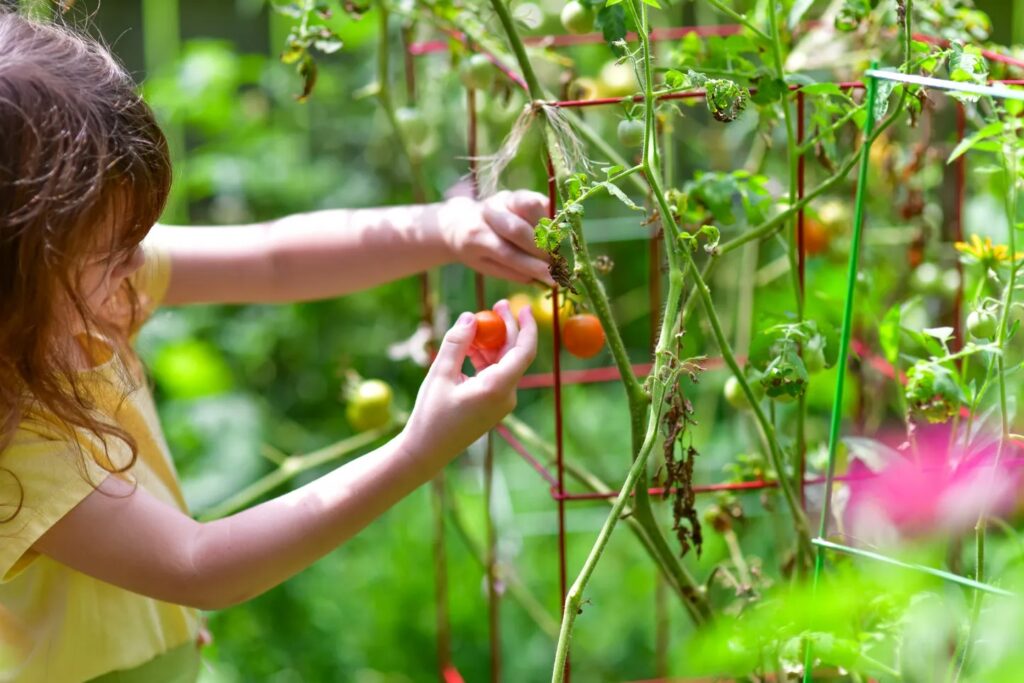
Gardening is an integral part of outdoor life at SOL. Each classroom has access to garden beds where children plant, water, weed, harvest, and care for flowers, herbs, and vegetables. Through digging, raking, gathering, and tending, children learn that their efforts matter. Flowers are often cut and arranged, and vegetables are harvested and used in food preparation, strengthening the connection between land, nourishment, and community life.
Fostering Stewardship and Responsibility
Children also participate in caring for outdoor spaces through simple, meaningful tasks such as sweeping paths, washing surfaces, and gathering materials. These experiences foster responsibility, cooperation, and thoughtful stewardship of shared spaces.
Connecting with the Natural World
Through daily outdoor experiences, toddlers develop strength, coordination, confidence, and curiosity. Just as importantly, they begin to experience themselves as connected members of the natural world, capable of moving with purpose, observing with care, and contributing to the community around them.
Problem Solving,
Early Mathematics,
& a Love of Learning
Hands-On Problem Solving and Logic
Problem solving and logical thinking are woven naturally into the Toddler Community through hands-on materials and purposeful experiences. Toddlers engage with activities such as puzzles, matching, sorting, and pairing, which invite them to notice patterns, make comparisons, and experiment with solutions. Materials are introduced thoughtfully and increase in complexity as children’s skills develop, allowing challenge and success to unfold in balance.
Emergent Mathematical Understanding
Early mathematical understanding emerges through everyday experiences rather than formal instruction. Children explore concepts such as counting, quantity, order, and relationship through concrete materials that make abstract ideas accessible and meaningful. These experiences support logical thinking while strengthening concentration, coordination, and confidence.
The Joy of Persistent Learning
Learning at SOL is designed to feel joyful and satisfying. Children are encouraged to explore deeply, repeat experiences, and work through challenges with persistence, supported by attentive educators who guide rather than direct. This approach nurtures curiosity, resilience, and a lasting love of learning, qualities that support children well beyond the toddler years.
Educators as Thoughtful Facilitators
Educators act as thoughtful facilitators, carefully observing each child and offering guidance as new interests and abilities emerge. The classroom provides depth, beauty, and materials specifically chosen to support a toddler’s cognitive growth and developing independence.
Cultivating Home-School Partnerships
Partnership with families is an important part of this process. Open communication between school and home allows learning to feel connected and continuous, and families are supported with insight and ideas for extending learning experiences beyond the classroom.
A Foundation for Confident Thinking
At SOL, these early experiences lay the groundwork for confident thinking, problem-solving, and an enduring joy in learning.

Practical Life
Music
Music is woven naturally into the rhythm of each day and is experienced as a joyful form of expression, connection, and discovery. Singing, rhythm activities, movement games, and listening experiences are a regular part of the Toddler Community. Children sing together daily, building familiarity with melody, language, and shared participation. The songs that are introduced are thoughtfully chosen for their inspiring and uplifting content.
Toddlers are introduced to a variety of musical instruments, allowing them to explore sound, rhythm, and pitch through hands-on discovery. Simple instruments and rhythm tools support early ear training and help children develop an internal sense of beat and pattern. Listening to different styles of music invites awareness of contrasts such as fast and slow, loud and soft, and high and low.
Music is not taught as a separate subject, but as an integral part of holistic development, supporting concentration, coordination, language, and emotional expression. Movement, clapping, and rhythmic play help children connect music to their bodies, reinforcing both physical awareness and joyful engagement.
Visual Art
Toddlers explore visual art through a variety of hands-on experiences that invite creativity and experimentation. Activities include drawing, painting, cutting, gluing, collage-making, and working with clay and other tactile materials. These experiences allow children to explore color, texture, shape, and form while strengthening fine motor skills and coordination.
Art is offered as an open-ended process rather than a product, honoring each child’s individuality and creative voice. Children are free to explore materials at their own pace, discovering what they can create through imagination and effort. Artwork displayed in the environment is valued and respected, and simple stories or conversations about the pieces help introduce early ideas of art appreciation in a developmentally appropriate way.
Through visual art, toddlers develop confidence, persistence, and a growing belief in their own abilities, while also gaining a meaningful outlet for self-expression and emotional exploration.
A Culture of Creativity
At SOL, music and art are offered within a supportive environment that values creativity, individuality, and exploration. Educators model curiosity, enjoyment, and respect for the creative process, introducing materials and experiences while allowing children the freedom to explore and express themselves authentically.
Through music and visual art, toddlers develop creativity, confidence, and a sense of identity. These experiences nurture imagination, appreciation for beauty, and a lifelong openness to creative expression, supporting the whole child in becoming confident, expressive, and connected.
Social & Emotional Development
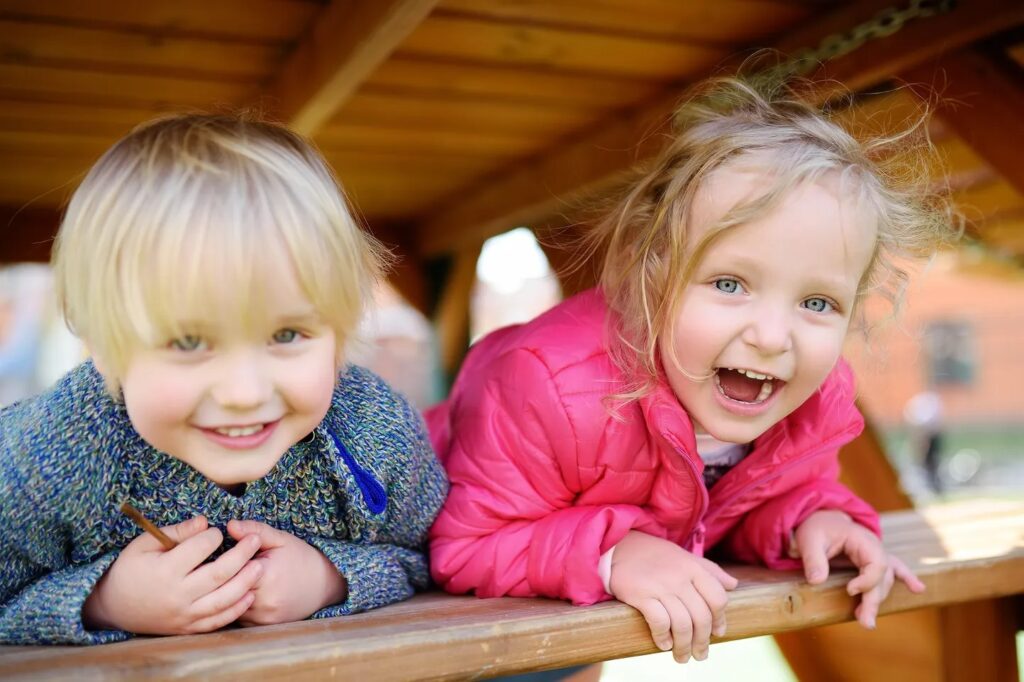
Social and emotional growth begins early, shaped through relationships, shared experiences, and a child’s sense of belonging. In the Toddler Community at SOL, community is not an abstract idea, it is lived each day through connection, cooperation, and care for one another. Within this nurturing environment, toddlers begin to understand themselves, relate to others, and develop the social and emotional skills that support them throughout life.
Our thoughtfully prepared classroom creates a sense of safety and predictability, allowing children to feel secure as they navigate new emotions and experiences. Within this foundation of trust, toddlers begin to name feelings, express needs, and practice self-regulation with the support of attentive, responsive educators. All teachers are trained in Positive Discipline, using respectful, developmentally appropriate guidance to support children in learning boundaries, problem-solving, and emotional awareness in a way that preserves dignity and builds confidence.
The Toddler Community is a social space where children learn by living together. In a mixed-age setting, younger children observe and learn from older peers, while older toddlers naturally step into roles of leadership, helping, and modeling care. Through daily interactions, shared meals, songs, stories, collaborative work, and play, children form their first friendships and experience the joy of being part of a group.
Educators model respectful communication, gentle movement, and thoughtful social interactions, offering toddlers a living example of loving-kindness, patience, and cooperation. Children practice waiting, taking turns, helping a friend, and caring for shared materials. Over time, these everyday moments foster empathy, responsibility, and a growing awareness of others.
At SOL, social and emotional development is nurtured through connection, connection to trusted adults, to peers, and to a caring community. As children learn and grow together, they develop confidence, empathy, and a deep sense of belonging, foundations that support healthy relationships and a meaningful life in community.
Growing
Independence
Honoring the Inner Drive for Independence
Young children are naturally drawn toward independence. What is often misunderstood as resistance is, in truth, a child’s desire to participate fully in the world around them. At SOL, we honor this inner drive by offering meaningful choices within clear, supportive boundaries, creating space for children’s curiosity and determination to unfold naturally.
A Prepared Environment for Self-Reliance
Our Toddler Community is thoughtfully prepared to support this journey. Child-sized furniture, accessible materials, and purposeful activities invite children to move, explore, and practice doing things for themselves. Through carrying, climbing, pouring, caring for the environment, and engaging in daily work, toddlers develop coordination, focus, and confidence in their own abilities.
Nurturing Patience and Self-Trust
Independence is nurtured with patience and care. Educators guide and support rather than rush, allowing children the time and space to try, repeat, and succeed. As toddlers gain greater control over their bodies and actions, they also grow in self-regulation, responsibility, and trust in themselves.
The Social Dimensions of Independence
At SOL, independence unfolds within community. Children learn that their efforts matter and that they have something meaningful to contribute. These early experiences quietly shape confidence, resilience, and responsibility, qualities that support children as learners and as members of a community.
Cultivating
Curiosity
Sensorial Exploration: Ordering the World
Sensorial exploration is a central way toddlers come to understand their world. Through carefully designed materials and experiences, children explore texture, color, shape, weight, sound, and movement, gradually bringing order to their experiences and deepening their understanding. Activities such as matching, sorting, pouring, building, listening, and observing help toddlers refine their senses while supporting concentration, coordination, spatial awareness, and early problem-solving skills.
Deep Engagement Through Meaningful Work
Learning unfolds through exploration. Rotating materials, freedom of movement, and open-ended activities invite children to follow their interests and engage deeply with their work. Whether experimenting with color mixing, preparing food, practicing a practical skill, singing, or listening to a story, toddlers experience learning as meaningful and satisfying. These experiences nurture persistence, attentiveness, and a genuine joy in discovery.
The Educator’s Role in Nurturing Curiosity
Educators play an essential role in cultivating curiosity. Through careful observation, they thoughtfully introduce materials, adjust the environment, and offer gentle guidance that supports each child’s development. This responsive approach allows curiosity to flourish while ensuring children feel secure, supported, and valued.
Habits of Mind and a Love of Learning
At SOL, cultivating curiosity is about more than learning facts. It is about nurturing wonder, engagement, and a lasting love of learning. As toddlers explore their world with growing confidence and interest, they develop not only knowledge and skills, but also the habits of mind that support thoughtful learning and growth.
A Calm Space
for Focus & Growth
Beauty, Simplicity, and Purpose
Our classrooms are carefully prepared with beauty, simplicity, and purpose in mind. Natural materials, soft light, and child-sized furnishings create an atmosphere that feels welcoming and grounded. Materials are arranged on low shelves and rotated with care, inviting curiosity without overwhelming the senses. Children are free to move throughout the space, choose activities that interest them, and work at their own pace -indoors and outdoors- supporting both concentration and well-being.
From External Structure to Inner Order
A strong sense of order is woven throughout the environment. Toddlers have a deep psychological need for consistency and predictability, and the external order of the classroom -clear routines, familiar expectations, and a well-organized space- helps children develop inner order. This inner sense of order supports emotional regulation, sustained attention, and a growing ability to manage oneself with confidence.
The Role of the Prepared Adult
The adults in the Toddler Community play a vital role in supporting focused engagement. Educators are deeply prepared, both personally and professionally, and approach their work with presence, patience, and purpose. Rather than directing children, they observe closely, introduce activities at the right moment, and allow children the time to practice, repeat, and refine skills until mastery is reached. Mistakes are welcomed as part of learning, reinforcing resilience and confidence.
Order as a Lived Experience
Order is not only seen, it is lived. Toddlers take part in caring for their environment by putting materials away, cleaning, and restoring the space. These daily acts of order help children feel capable, grounded, and secure, while also strengthening habits of responsibility and respect.
Foundations of Security and Concentration
At SOL, focused engagement grows naturally from an environment designed with intention. In this calm, orderly setting, toddlers develop concentration, self-regulation, and a deep sense of security, foundations that support learning, character, and joyful engagement with the world.
Developmentally
Informed Transitions
As children approach the next stage of early childhood, often between two and a half and three years of age, many show rapid growth in language, self-expression, and independence, along with a growing curiosity about the wider world. Toilet independence is typically well established, and children demonstrate readiness for new challenges.
At SOL, classroom transitions are guided by each child’s individual development rather than age alone. As children near their third birthday, educators thoughtfully consider social, emotional, and developmental readiness when determining the right time to move to the Casa Community. Families are an important part of this conversation, and their perspectives are welcomed. Final placement decisions are made collaboratively by Toddler guides, Casa educators, and school leadership, ensuring each transition is well-timed, supportive, and gentle.
A Day in the Life of a Toddler at SOL
Morning Arrival & Outdoor Time
Children are warmly greeted by familiar adults and begin their day with outdoor play whenever weather allows. Time spent on the playground and in the garden offers opportunities for movement, exploration, and connection with peers, supporting physical health and a growing relationship with the natural world.
Transition Indoors & Morning Work Cycle
After play, children transition calmly indoors to prepare. The morning features an uninterrupted Montessori work cycle for self-chosen activities across various subjects. Guides provide lessons and support concentration, while snack is integrated naturally into the period.
Midday Transitions
Children in the Half Day program are supported through a gentle transition to dismissal.
Children in the Full Day program remain for lunch and rest.
Lunch, Rest & Afternoon
Full-day toddlers share a family-style lunch, practicing independence and grace. A peaceful rest period follows, supporting healthy growth and emotional regulation. Children who do not sleep enjoy quiet, restorative activities. The afternoon may include additional exploration, outdoor time when possible, or a snack before dismissal.
Throughout the day, children are cared for by trained, nurturing educators who guide with patience and respect. At SOL, a toddler’s day is calm, predictable, and rich with opportunity, offering a balanced rhythm that supports confidence, connection, and joyful learning in community.
At SOL Montessori, community is lived each day through shared experiences and relationships. Every interaction offers an opportunity for connection and learning, an approach that is especially powerful in the Toddler Community during this crucial period of development.